


Taking Charge:
Lowering Your Risk For Heart Disease
Did you know?Source: The American Heart Association, 1998 Heart and Stroke Statistical Update
- Since 1900 cardiovascular disease (CVD) has been the number one killer in the United States.
- Sixty million (one in five) Americans have some form of CVD.
- If all forms of CVD were eliminated, life expectancy would increase by almost 10 years.
- Within six years of a heart attack, 23% of men and 31% of women will have another heart attack.
- About every 29 seconds an American will suffer a coronary event; every 60 seconds, someone will die from one.
- In 1998 the total cost of CVD is expected to reach $274 billion.
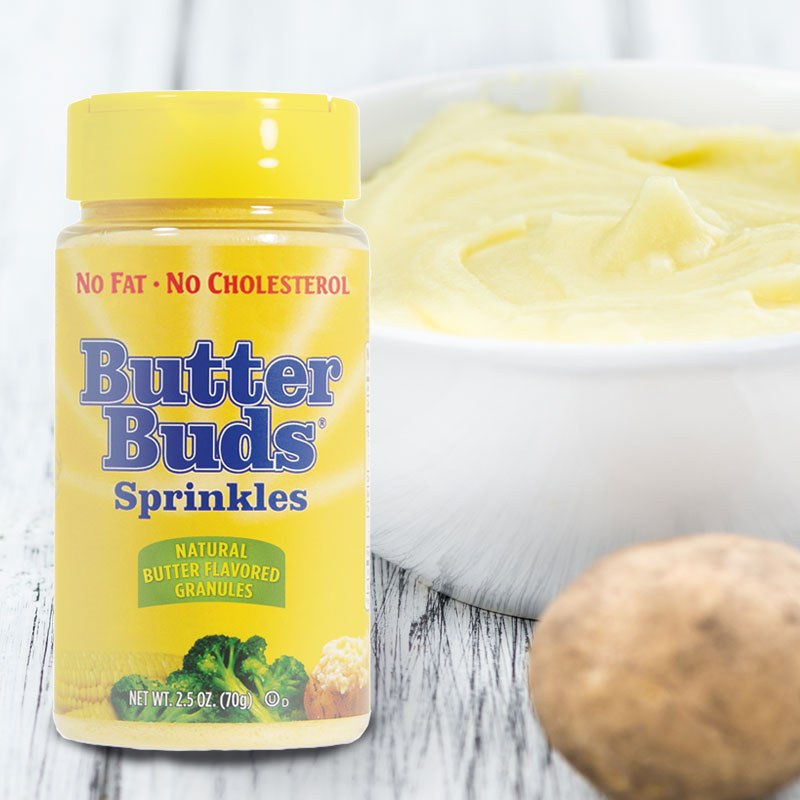
Butter Buds® all natural butter-flavored granules, with zero fat and cholesterol, is committed to promoting healthier living. Taking Charge: Lowering Your Risk For Heart Disease has been written to provide you with some of the latest information regarding heart health as well as some dietary recommendations you can incorporate into your own healthier lifestyle. Also included are some delicious low-fat recipes to get you started. This booklet is not intended as a replacement for professional care. As always, for a complete diagnosis and treatment, it is important to see your doctor.
What is Cardiovascular Disease?
Cardiovascular disease is a term used to classify a large number of conditions affecting the heart and blood vessels. These conditions include coronary heart disease, hypertension, stroke, and atherosclerosis. Coronary heart disease is the hardening of the arteries that supply blood to the heart muscle. This often is what causes a heart attack. Hypertension is a blood pressure reading of 140/90 or above. This indicates that the heart and the arteries are under excessive strain that might eventually lead to a heart attack or stroke. A stroke is when the blood vessels in the brain have been blocked or ruptured resulting in brain damage. When fatty deposits and plaque form on the walls of arteries, we call that condition atherosclerosis. Several risk factors are associated with the development and progression of cardiovascular diseases. These include:
- Smoking
- High blood pressure
- Diabetes
- Obesity/Overweight
- Sedentary lifestyle
- Heredity
- 65+ years of age
- Male gender
- Stress
Taking A Closer Look At Heart Disease
The risk of heart disease can be greatly decreased through dietary changes, increased physical activity and stress reduction. Changing how you eat is most effective in reducing heart disease risk. The American Heart Association makes the following recommendations:
- Keep your total fat intake to less than 30% of total calories a day.
- Saturated fat intake should be kept under 10% of total calories a day. Saturated fat content will be listed in the "Nutrition Facts" box on food packages. Saturated fats are found in animal products, such as meat, whole milk, eggs, and in tropical oils, such as coconut and palm oils. This type of fat is solid at room temperature.
- Polyunsaturated fatty acid intake should be kept to 10% of total calories. Polyunsaturated fats are primarily found in vegetable products, like vegetable oils. They are liquid at room temperature.
- Monounsaturated fatty acid intake should be between 10-15% of total calories. Monounsaturated fats are also liquid at room temperatures and are found in vegetable products, primarily vegetable oils.
- Total cholesterol intake should be no more than 300 milligrams per day.
- Sodium intake should be kept under 2400 milligrams (or 3 grams) per day.
Lower Your Cholesterol
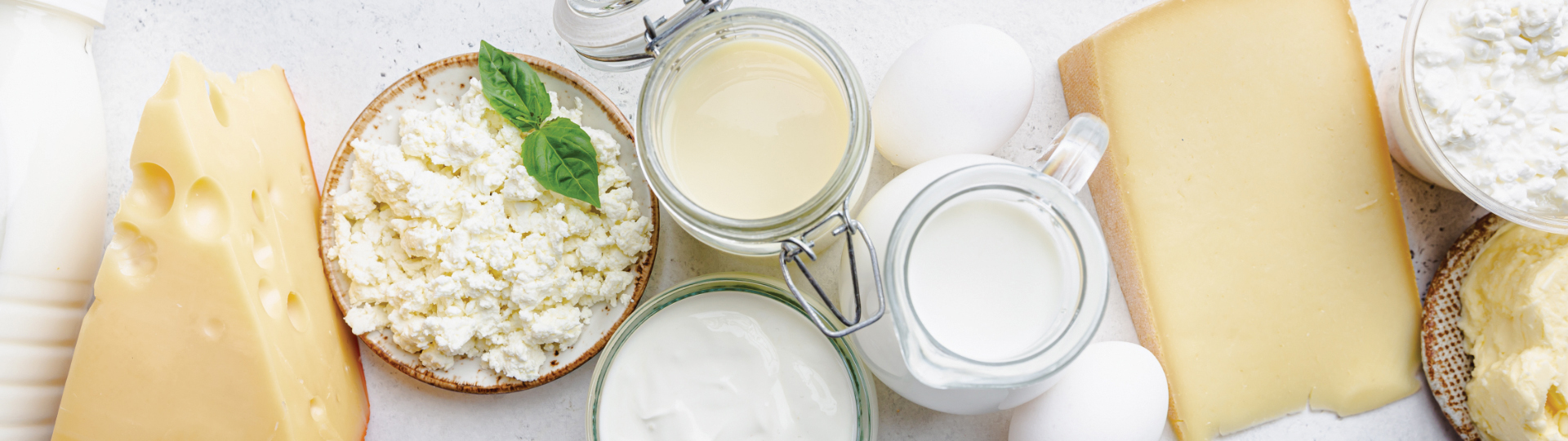
Saturated fats raise your blood cholesterol level more than anything else. The best way to reduce cholesterol is to cut back on the amount of saturated fat you eat. These fats are found in largest amounts in animal products such as butter, cheese, whole milk, ice cream and fatty meats. They are also found in some vegetable oils, like coconut and palm oils. Here are some tips to help you lower your cholesterol:
- Decrease consumption of animal products.
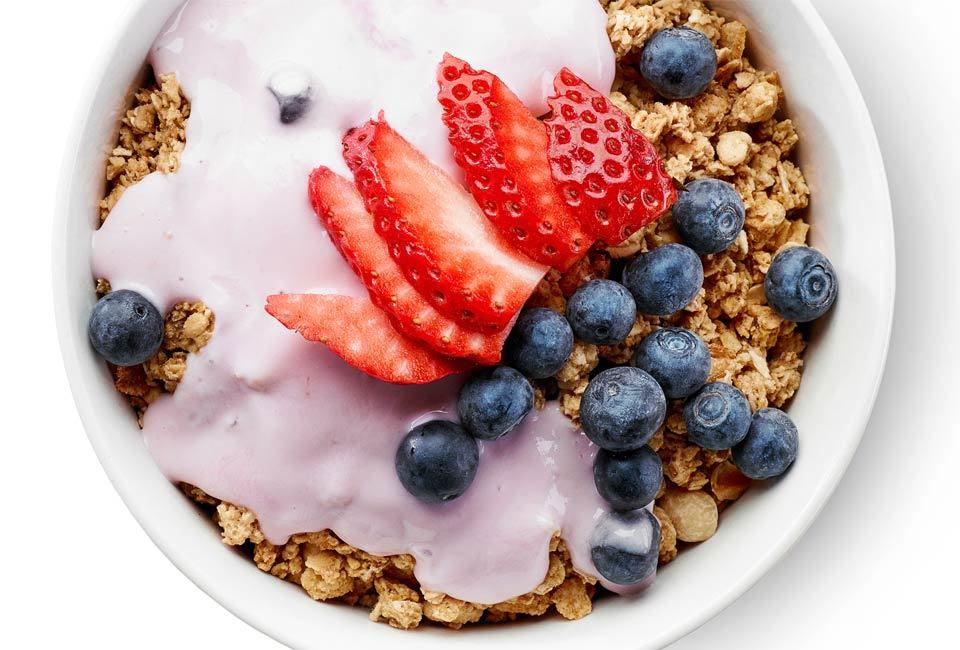
- Use low-fat or non-fat milk and milk products (low-fat cheeses, yogurts and sour cream).
- Reduce red meat consumption to only once or twice weekly. Choose from lean cuts, trimmed of all fat; broil and bake--do not fry.
- Use less butter and margarine--try a butter substitute like Butter Buds all natural butter-flavored granules.
- Choose oils low in saturated fat, such as olive or canola oil.
- Stay away from tropical oils such as coconut and palm oils that will raise cholesterol levels.
- Limit egg consumption to 2-3 eggs per week.
- Increase consumption of fish.
- When eating chicken or turkey, take the skin off--it is high in fat and cholesterol.
- Increase consumption of fruits and vegetables.
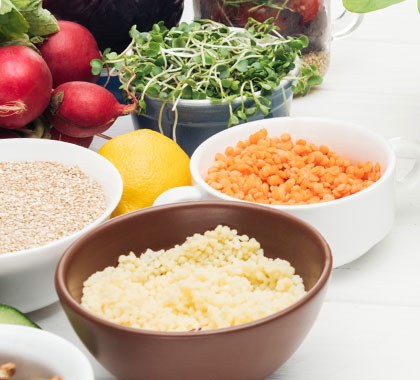
- Increase consumption of whole grain products, especially oat products like oatmeal.
- Steam, broil, poach or bake foods instead of frying.
- Decrease consumption of high-fat sweets (chocolate, cakes, cookies or pies). Or, use Butter Buds when baking.
- If you drink alcohol, do so in moderation.
Get Active
Begin a regular exercise program. The American Heart Association recommends 30-60 minutes of aerobic activity three to four times a week. This may include exercise such as walking, aerobic dancing, swimming and bicycling. However, remember to check with your doctor before beginning any new exercise regime. ItŐs easy to sneak physical activity into your life without major sacrifices. Just...
- Take the stairs instead of the elevator or escalator wherever possible.
- Take a stroll around the building during your lunch hour.
- Walk the dog.
- Park farther out in the parking lot.
- Dust or vacuum more often.
Stay "Cool"
Stress is usually referred to as a person's response to emotional and psychological situations. Everyone has stress and everyone reacts to it in different ways. Stress can be the result of job pressure, personality traits and personal or social complications. Stress affects other known risk factors for heart disease, such as high blood pressure, overeating and smoking. Some people may benefit from relaxation techniques such as meditation, aromatherapy, yoga or massage therapy. In severe situations, individual counseling, behavioral therapy and stress management programs may be required.
The Gender Question
Although men are more prone to developing heart disease, most Americans are not aware that heart disease is the number one killer of women. Women have a lower chance of developing heart disease before they reach menopause. However, after menopause is reached, a woman's rate of heart disease slowly increases until age 75, when it becomes the same as a man's.Did you know that men and women have different symptoms for a heart attack? Men usually feel the classic chest tightness, clutching pain, heaviness in the chest, sweating and/or shortness of breath. Women may not have those symptoms but rather could experience shortness of breath or have difficulty breathing; they may have pain or weakness in the shoulder, arms and sometimes all over the body. Women are also more likely to encounter nausea and fatigue.
You Decide
Kick off your campaign for a healthier heart with these delicious low-fat recipes...Per serving, all are under 300 calories, have under 6 grams of fat and none of them sacrifice taste.
- Parmesan Chicken with Fresh Tomato Sauce
- Roasted Vegetable Salad
- Buttery Waffles